
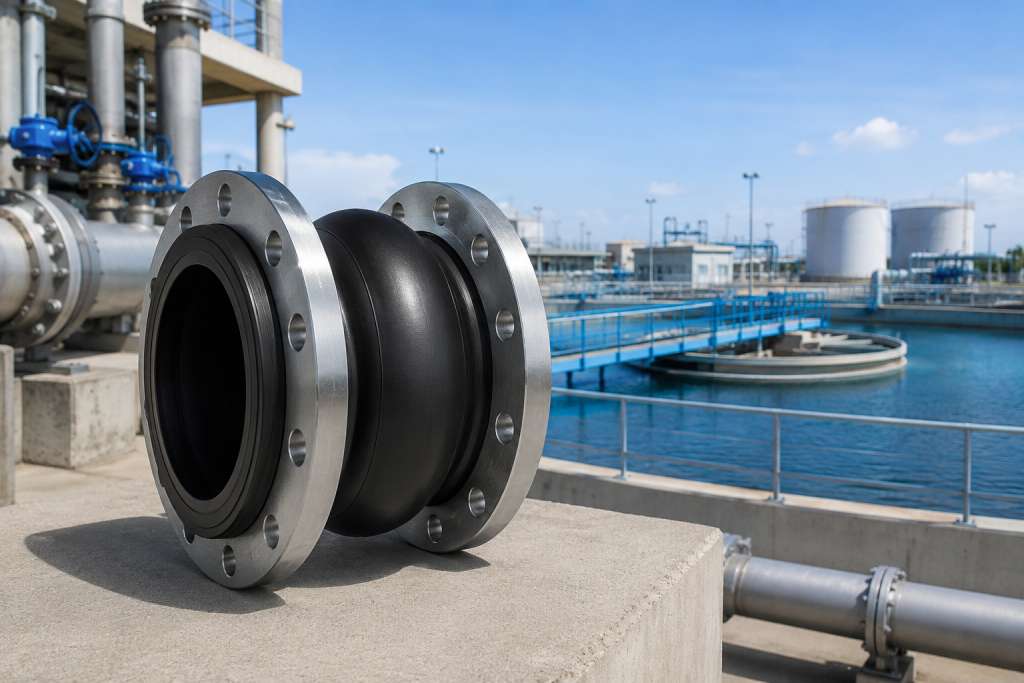
Rubber expansion joints help water treatment and desalination systems manage vibration, pressure movement, and pipeline stress. They are used across Asia-Pacific infrastructure projects where durability, corrosion resistance, and reliable flow systems are essential.
Water infrastructure across Asia-Pacific is growing rapidly as cities, industries, and coastal regions look for dependable water treatment and desalination solutions. From municipal water plants to seawater desalination units, these projects depend on complex piping systems that must operate continuously under pressure, vibration, temperature changes, and chemical exposure.
In such systems, rubber expansion joints play an important role. They may look like a small part of the pipeline, but they help absorb movement, reduce stress, protect connected equipment, and support longer service life in demanding water-handling environments.
Why Pipeline Movement Matters in Water Projects
Pipelines in water treatment and desalination plants are not completely static. Pumps create vibration. Pressure changes cause movement. Temperature variation leads to expansion and contraction. Equipment operation can create minor misalignment between pipe sections.
If this movement is not managed properly, it can create stress on pipelines, pumps, valves, and flanges. Over time, this may result in leakage, cracks, noise, equipment wear, or maintenance issues.
Rubber expansion joints help reduce these risks by acting as a flexible connection within the piping system. They absorb movement and vibration so that the pipeline and connected equipment are not exposed to unnecessary stress.
Designed for Harsh Water-Handling Conditions
Water treatment and desalination projects often involve challenging operating environments. Desalination plants handle seawater and brine, while water treatment facilities may involve treated water, wastewater, chemicals, and varying flow conditions.
Rubber expansion joints are useful because they can be manufactured using suitable rubber compounds based on the application. Depending on the requirement, they can support resistance against water, chemicals, abrasion, pressure changes, and environmental exposure.
For Asia-Pacific projects, where many facilities are located in coastal, humid, or high-temperature regions, choosing the right rubber material and joint design becomes especially important.
Supporting Pumps, Valves, and Pipeline Equipment
A major reason rubber expansion joints are used in water projects is equipment protection. Pumps, valves, and mechanical systems can transfer vibration into the pipeline. If this vibration continues unchecked, it can affect performance and increase wear.
A properly selected rubber expansion joint helps isolate vibration and reduce noise transmission. It also allows small movements in the pipeline without placing extra load on connected equipment. This makes it useful near pump outlets, valve stations, treatment units, desalination lines, and other critical piping sections.
Where Rubber Expansion Joints Are Commonly Used
- Pump discharge and suction lines
- Seawater intake and brine discharge pipelines
- RO plant piping systems
- Chemical dosing and treatment lines
- Wastewater treatment pipelines
- Cooling water and utility water systems
- Valve connections and equipment interface points
The final design depends on pressure rating, fluid type, temperature, chemical exposure, movement requirement, and pipeline layout.
Reducing Maintenance Pressure in Large Projects
Water treatment and desalination plants are expected to operate with minimum interruption. Even a small leak or damaged pipe connection can create downtime, repair costs, and operational delays.
Rubber expansion joints help support smoother operation by reducing the stress that leads to premature failure. Their flexibility allows the system to handle movement more safely, while their rubber body helps absorb vibration and reduce impact. This can improve the service life of both the joint and connected pipeline equipment.
Important Selection Factors
Not every rubber expansion joint is suitable for every water project. The right product must be selected according to the actual working conditions. A desalination plant handling seawater may need different material properties compared to a municipal wastewater treatment facility.
Key factors include the type of liquid being handled, operating pressure, temperature, pipe movement, flange standard, installation location, and exposure to chemicals or outdoor conditions. Correct selection helps ensure reliable performance and reduces the chance of early failure.
Why Asia-Pacific Projects Need Reliable Components
The Asia-Pacific region includes fast-growing urban areas, industrial zones, coastal cities, and island regions where water security is a major concern. Desalination and water treatment systems are becoming important parts of infrastructure planning.
In such projects, long-term reliability matters. Components used in pipelines must be able to perform in humid climates, coastal environments, continuous-duty operations, and chemically active systems. Rubber expansion joints help support this reliability by protecting pipelines from movement-related stress and equipment vibration.
Conclusion
Rubber expansion joints are essential components in water treatment and desalination projects. They help absorb vibration, manage pipeline movement, reduce stress on equipment, and support long-term performance in demanding water-handling systems.
At Shree Rubber Works, we manufacture customized rubber expansion joints for industrial, water treatment, desalination, and infrastructure applications. Our expansion joints can be developed as per required size, pressure rating, rubber compound, flange standard, and operating conditions to support reliable performance in Asia-Pacific water infrastructure projects. Contact us today to discuss your rubber expansion joint requirements.