
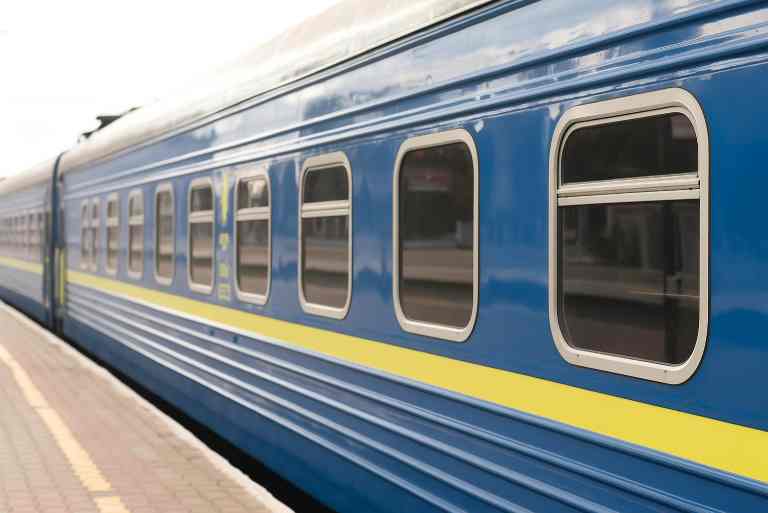
When we talk about trains, we usually think about the big, obvious things – the engine, the speed, the tracks. But funnily enough, it’s the small yet powerful things we barely notice that keep the whole journey smooth. Rubber extrusion products are a great example of that.
In the first place, they might just look like ordinary rubber seals or gaskets fitted around doors and windows. But there’s a lot more than meets the eye. These small parts quietly handle some pretty big jobs like keeping out dust and noise, maintaining air pressure, and adding that extra bit of safety we often take for granted. Pick the wrong ones, though, and you’ll notice it soon enough – leaks, rattles, and a whole lot of unnecessary trouble. In this blog, let us see how to choose the right rubber extrusions for trains.
Choosing the Right Rubber Extrusion Products for Trains
1. Start With the Material
Not every rubber can handle life on a train. Think about it – constant vibration, changing weather, heat during the day, and freezing nights. The material has to deal with all of that and still stay flexible. It also needs to resist fire and produce as little smoke as possible if something goes wrong.
When you’re speaking to a rubber extrusion manufacturer or supplier, ask about how their materials perform over time. Do they resist cracking in the sun? Do they pass flame and smoke tests? The good ones will explain the grades they use and why those matter for your specific train application.
2. Safety Certification is Non-Negotiable
If there’s one thing you can’t overlook, it’s certification. For trains, EN45545-2 is the standard that rules them all. It tells you how the rubber performs in case of fire. You’ll usually hear about two levels – HL2 and HL3.
- HL2 works fine for general passenger areas.
- HL3 is what you need in high-risk zones, like driver cabins or high-capacity coaches.
And honestly, if your supplier can’t show the paperwork, that’s your sign to move on. A reputable manufacturer will already have those certificates ready with them.
3. Experience Goes a Long Way
There’s no shortcut here. It’s best to work with a manufacturer who really knows the rail industry inside out. The ones with years of experience have seen how different rubber materials react under pressure, understand the tiny details that make a big difference, and know how to design parts that actually fit the way they should.
A good supplier won’t just sell you rubber extruded products, but they’ll help you avoid future problems.
4. Think About Durability, Not Just Cost
Cheap seals might save you money now, but they’ll cost more later. These profiles have to deal with a lot – movement, pressure, temperature swings every single day. Over a period of time, low-grade materials start to harden or crack.
Before you buy, it’s better to ask how long the product will last, whether it comes with a warranty, and how it performs in other trains. Paying a little extra upfront can save you a lot of repair and replacement costs later on.
5. Customization Can Make a Big Difference
Every train model is slightly different from each other. In certain situations, off-the-shelf rubber extruded products work fine; other times, you need something customized. The good thing is that most rubber extrusion manufacturers can adjust hardness, flexibility, or shape to make sure it fits perfectly.
A proper fit means better sealing, less noise, and fewer issues over the long haul. It’s worth asking about.
6. Always Test Before You Go Big
Before placing a large order, always test a few samples. Try them in real conditions – vibration, heat, humidity, and see how they work. Make sure they meet EN45545-2, HL2, or HL3 standards before you finalize anything.
Suppliers that encourage testing are the ones who actually care about quality. That’s who you want to work with.
Also Read: What Is Rubber Extrusion and Why Is It Essential in the Transport Industry?
Final Thoughts
Choosing the right rubber extrusion products for the rail industry might not sound thrilling, but it’s one of those things that quietly makes a huge difference. The right materials and design keep the train safe, comfortable, and reliable.
Work with a rubber extrusion supplier who knows the industry, check those certifications, and never skip testing. Because at the end of the day, these small components are what keep the big machines running safely, and that’s what really counts.
If you are looking for a trusted rubber extrusion manufacturer, get in touch with Shree Rubber Works, which has long-standing experience in this field.