
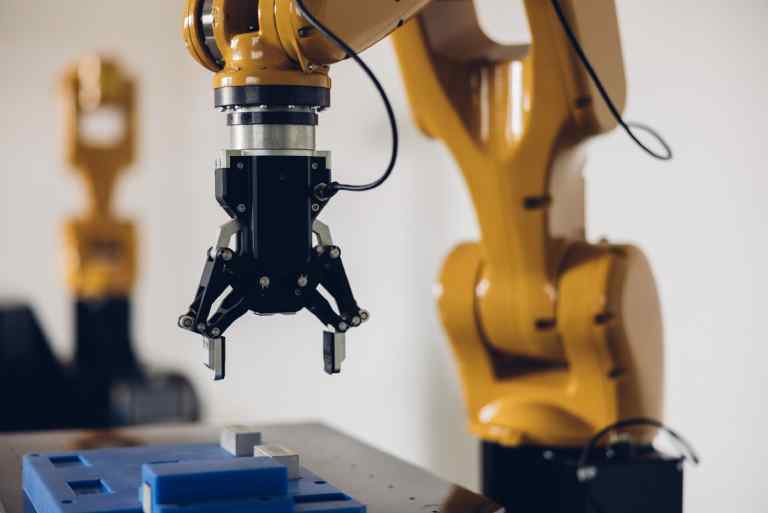
Industrial robots have moved far beyond simple pick-and-place tasks. Today, they handle delicate electronics, heavy automotive parts, food packaging, medical devices, and precision-engineered components. At the heart of this versatility lies a critical but often overlooked element – the gripper pads and end-effector components that physically interact with the product. The performance, safety, and efficiency of robotic systems depend heavily on how well these components are designed and manufactured.
In modern automation environments, rubber moulding products play a crucial role in enhancing robotic gripping performance. Unlike off-the-shelf parts, custom moulded rubber components are engineered to meet specific load capacities, surface textures, friction requirements, and environmental conditions. This customization ensures consistent gripping, reduced slippage, and minimal damage to handled parts, even in high-speed or high-cycle operations.
What Are Gripper Pads and End-Effectors?
End-effectors are the “hands” of industrial robots, designed to interact with objects during manufacturing, assembly, packaging, or inspection. Gripper pads are the contact surfaces mounted on these end-effectors. While metal structures provide strength and rigidity, rubber components provide grip, cushioning, vibration dampening, and surface protection.
Custom moulded rubber gripper pads are especially valuable in applications where products vary in shape, weight, or surface finish. They help robots adapt to different tasks without compromising precision or safety.
Why Custom Moulded Rubber Matters in Robotics
Every robotic application is unique. A gripper handling glass panels requires very different material properties than one lifting oily metal parts or food-grade packaging. Custom rubber moulding allows manufacturers to control:
- Friction and grip levels to prevent slipping
- Hardness (Shore A) to balance flexibility and durability
- Wear resistance for long operational life
- Chemical and temperature resistance for harsh environments
- Surface patterns for improved contact and control
Standard components often fall short when robots operate in demanding industrial conditions. Custom solutions ensure optimal performance while reducing downtime and maintenance costs.
Also Read: How Custom Rubber Moulding Improves Efficiency in Heavy Machinery
Materials Commonly Used for Robotic Gripper Pads
Selecting the right elastomer is as important as the design itself. Some commonly used materials include:
- Natural Rubber (NR): Excellent grip and elasticity for general industrial handling
- Nitrile Rubber (NBR): Ideal for oily or greasy environments
- Silicone Rubber: Suitable for high-temperature and food-grade applications
- EPDM: Resistant to heat, ozone, and weathering
- Polyurethane (PU): High abrasion resistance and load-bearing capacity
Each material is chosen based on the robot’s operating environment, cycle frequency, and the nature of the handled product.
Design Considerations for Custom End-Effector Components
Effective rubber components are not just moulded, they are engineered. Key design factors include:
- Load distribution and compression behaviour
- Mounting geometry and tolerance compatibility
- Surface finish and anti-marking requirements
- Repetitive stress and fatigue resistance
Close collaboration between the rubber manufacturer and the automation or robotics team ensures the final component integrates seamlessly into the robotic system.
Benefits of Using Custom Rubber Components in Robotics
Custom moulded gripper pads and end-effector parts offer several operational advantages:
- Improved gripping accuracy and repeatability
- Reduced product damage and rejects
- Longer component life compared to generic parts
- Enhanced robot efficiency and cycle speed
- Lower long-term operational costs
As automation continues to evolve, precision-engineered rubber components are becoming essential rather than optional.
Also Read: Rubber Moulding Products in Automotive: Essential Parts and Uses
Conclusion: Partnering with the Right Rubber Moulding Expert
For industries relying on robotic automation, the quality of gripper pads and end-effector components can directly impact productivity and product integrity. This is where experience, material knowledge, and custom engineering make all the difference.
At Shree Rubber Works, we specialize in developing high-performance rubber moulding products tailored for industrial robots and advanced automation systems. From concept to production, our team delivers reliable, application-specific solutions that perform consistently in real-world conditions.
If you’re looking to enhance your robotic systems with precision-engineered rubber components, get in touch with Shree Rubber Works to discuss your custom moulding requirements and discover how the right rubber solution can elevate your automation performance.