
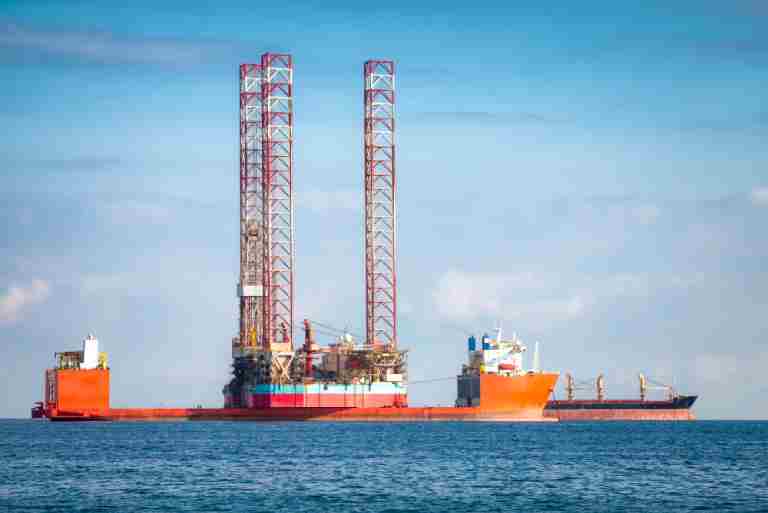
In the dynamic world of marine and offshore engineering, materials must endure some of the toughest environments on Earth. Saltwater corrosion, relentless UV radiation, heavy mechanical loads, and continuous wave action all play against structural integrity. Choosing the right components can be the difference between long-lasting performance and costly repairs. Rubber extrusion profiles play a vital role here, providing custom-shaped sealing and protective solutions that bring resilience and reliability to marine infrastructure.
Rubber extrusion, a manufacturing process that pushes raw rubber through a shaped die to create continuous profiles with precise cross-sections, has enabled designers and engineers to develop components that meet highly specific performance requirements for the marine and offshore sectors.
Why Rubber Extrusion Profiles Matter Offshore
Marine and offshore applications demand materials that can resist saltwater exposure, temperature extremes, and mechanical wear. Rubber extrusion profiles, made from elastomers such as EPDM, neoprene, nitrile, or silicone, are especially suited to these environments due to their flexibility, durability, and environmental resistance.
Sealing is one of the most critical functions in maritime operations. Hatch seals, watertight door gaskets, and window seals on boats, ships, and offshore platforms ensure that cabins and equipment compartments remain dry and safe. Without effective seals, moisture ingress can lead to corrosion, electrical failures, and compromised structural safety. Rubber extrusion profiles are designed to fit tightly into frames and openings, helping keep water out even when conditions at sea change.
Common Marine and Offshore Uses
1. Watertight Seals and Gaskets
One of the most widespread applications of rubber extrusion offshore is in watertight sealing systems. These seals are essential for hatches, doors, windows, and bulkhead interfaces. Their elasticity allows them to deform and adapt under pressure, filling gaps and preventing water penetration. Materials such as EPDM are popular due to their excellent resistance to weathering and saltwater corrosion.
2. Fender Systems and Bumpers
Rubber extrusion profiles are also used to create marine fenders and dock bumpers, which are robust protective barriers that cushion impact between vessels and piers or other structures. These extruded rubber components absorb shock and distribute loads evenly, helping to protect both the vessel’s hull and dock infrastructure from damage.
3. Cable Protection and Jacketing
Offshore platforms and marine vessels rely on electrical systems that must function reliably in wet and corrosive conditions. Rubber extrusions can be used as cable jacketing or conduit seals to protect electrical wiring from water and abrasion. Their flexibility makes installation around complex assemblies easier while maintaining protective performance.
4. Vibration Dampening and Cushioning
Engines, generators, and other heavy machinery on offshore installations produce significant vibration. Rubber extrusion profiles designed as vibration isolators help reduce noise, prevent component fatigue, and enhance the comfort and safety of onboard operations. This shock absorption also extends the lifespan of attached equipment.
5. Expansion Joints and Flexible Connections
Large marine structures expand and contract with temperature changes and mechanical loads. Rubber extruded profiles are used in expansion joints and flexible connections to allow controlled movement while maintaining a seal. Their ability to flex without cracking or deforming permanently makes them ideal for these dynamic environments.
Material Considerations
Each marine application has unique demands, and choosing the right rubber compound is essential. For instance:
- EPDM (Ethylene Propylene Diene Monomer): Offers outstanding weather and ozone resistance, making it ideal for exterior sealing applications.
- Neoprene (Chloroprene): Balances flexibility with chemical and oil resistance, suitable for engine room environments.
- Nitrile Rubber (NBR): Provides excellent resistance to fuel and oil exposure, useful around mechanical assemblies.
- Silicone: Maintains elasticity over a wide temperature range, making it excellent for components exposed to extreme thermal cycles.
Designing for Performance
Rubber extrusion profiles can be tailored to fit precise requirements such as rope locks, deck fittings, hatch shapes, and cable routing systems. Whether it’s a simple U-channel seal for a compartment lid or a complex multi-function profile for a dynamic joint, the versatility of rubber extrusion allows engineers to specify shapes and sizes that integrate seamlessly into marine systems while delivering robust performance.
Also Read: Why Rubber Extrusion Is Critical for the Automotive Industry
Conclusion
As the marine and offshore industries continue to evolve, the demand for durable, high-performance sealing and protective solutions remains strong. Rubber extrusion profiles stand out as reliable, adaptable, and engineered options for a wide range of applications, from watertight sealing to vibration dampening and impact protection. Their ability to withstand harsh environmental conditions, combined with the precision of custom-designed profiles, makes them indispensable in both marine vessels and offshore installations.
At Shree Rubber Works, we understand the critical role that quality materials play in marine and offshore success. As a trusted rubber extrusion manufacturer with decades of experience, we are dedicated to delivering tailored rubber solutions that perform where it matters most. Whether you’re designing for durability, resilience, or functionality, our team is here to support your project with expertise and precision. Get in touch with Shree Rubber Works to explore how our marine-grade rubber extrusion profiles can elevate your applications.