
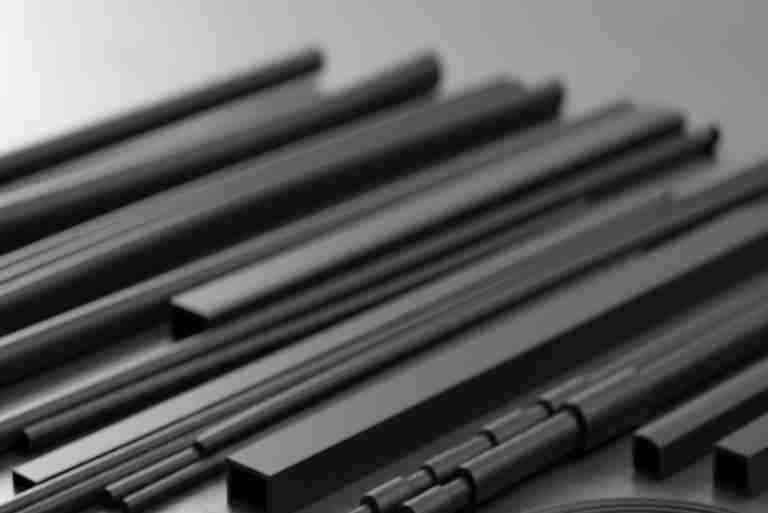
In industries where performance, safety, and durability matter, the quality of rubber components plays a critical role. From automotive seals and industrial gaskets to specialized tubing and profiles, rubber extrusions are used in countless applications. However, the performance of these products depends greatly on the manufacturer behind them. Choosing the right supplier is not just about pricing; it is about reliability, expertise, and consistent quality.
Selecting the right rubber extrusion supplier requires careful evaluation of several factors, including technical capability, material quality, production processes, and customer support. Businesses that invest time in assessing these elements often experience better product performance, fewer delays, and long-term operational efficiency.
Key Factors to Consider When Choosing a Rubber Extrusion Supplier
1. Industry Experience and Technical Expertise
One of the first things to consider when evaluating a supplier is their experience in rubber extrusion manufacturing. A supplier with years of industry expertise is more likely to understand complex requirements and offer practical solutions.
Experienced manufacturers typically have worked across multiple sectors such as automotive, construction, pharmaceuticals, and electrical industries. This exposure allows them to recommend the most suitable materials, profiles, and production techniques for your specific application. Their knowledge can also help prevent costly design or performance issues later in the production cycle.
2. Range of Materials and Customization Capabilities
Different industries require different rubber materials depending on their operating environment. A reliable supplier should offer a variety of materials such as EPDM, silicone, neoprene, nitrile, and natural rubber.
Equally important is their ability to provide customized extrusions. Many projects require unique profiles, specific hardness levels, or specialized resistance properties like heat, chemicals, or UV exposure. A capable supplier should have the technical infrastructure and engineering expertise to produce custom rubber extrusions that match precise specifications.
3. Quality Control and Certifications
Quality consistency is essential when working with rubber components. Poorly manufactured extrusions can lead to leaks, premature wear, and system failures.
A dependable supplier will have strong quality control processes in place at every stage of production, from raw material selection to final inspection. Certifications such as ISO standards are also good indicators of a supplier’s commitment to quality management systems. These certifications demonstrate that the manufacturer follows standardized procedures designed to maintain product reliability.
4. Manufacturing Capabilities and Infrastructure
The manufacturing capabilities of a supplier often determine whether they can meet your production needs. Advanced extrusion equipment, modern tooling systems, and in-house testing facilities contribute to better product accuracy and efficiency.
Suppliers with robust infrastructure are also more capable of handling bulk orders while maintaining consistent quality. Additionally, the ability to produce complex profiles or multi-material extrusions can be a significant advantage for businesses that require specialized components.
Also Read: Cleanroom Rubber Extrusions for Semiconductor Tool Enclosures
5. Lead Times and Supply Reliability
Timely delivery is a key factor in maintaining smooth production operations. Delays in rubber components can disrupt entire manufacturing schedules.
When evaluating a supplier, it is important to assess their production capacity, inventory management, and delivery track record. Reliable suppliers maintain efficient supply chains and clear communication with clients to ensure that orders are completed and delivered on schedule.
6. Customer Support and Collaboration
A good supplier does more than simply deliver products; they act as a technical partner. Effective communication, responsiveness, and willingness to collaborate are essential traits to look for.
Suppliers who work closely with their clients can help refine product designs, recommend better materials, and troubleshoot potential challenges. This collaborative approach often results in improved product performance and long-term partnerships.
Conclusion
Choosing the right manufacturing partner can make a significant difference in the quality and reliability of your rubber components. Evaluating experience, material expertise, manufacturing capability, quality standards, and customer support will help businesses identify a dependable rubber extrusion supplier that can meet both current and future requirements.
At Shree Rubber Works, we combine decades of manufacturing expertise with advanced production technology to deliver high-quality rubber extrusion solutions tailored to diverse industrial needs. As a trusted rubber extrusion supplier, we focus on precision, durability, and consistent performance in every product we manufacture.
If you are looking for reliable rubber extrusion solutions for your applications, contact Shree Rubber Works today to discuss your requirements and discover how our expertise can support your business.