
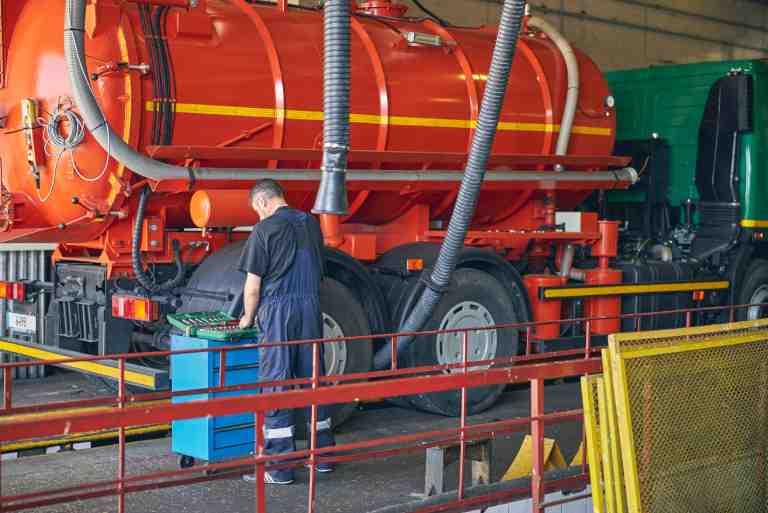
Modern transportation systems rely on a wide range of components that must perform consistently under demanding conditions. From automobiles and railways to marine vessels and aerospace equipment, transport machinery operates in environments exposed to high temperatures, vibrations, pressure variations, and chemical exposure. In such systems, even small components like tubing play a critical role in maintaining efficiency and reliability. Choosing the right material for these parts can significantly influence performance, maintenance requirements, and overall equipment lifespan.
One material that has gained widespread adoption in transport engineering is the silicone tube. Known for its exceptional flexibility, temperature resistance, and durability, silicone tubes are used in several transport-related systems where reliability is essential. Whether it is for coolant transfer, air flow management, insulation, or fluid handling, silicone tubes help ensure that vehicles and transport equipment function smoothly even in challenging conditions.
Key Features That Make Silicone Tubes Ideal for Transport Applications
1. Excellent Resistance to Extreme Temperatures
Transport vehicles often operate in environments where temperatures fluctuate significantly. Engines generate heat, and external climates may expose components to cold conditions. Silicone tubes are well known for their ability to withstand extreme temperatures, typically ranging from -60°C to over 200°C without losing their structural integrity.
This temperature stability makes them highly suitable for applications such as engine cooling systems, air intake systems, and heating lines. Unlike some traditional rubber or plastic tubes that may crack, harden, or degrade under thermal stress, silicone tubes maintain their flexibility and performance over long periods. As a result, transport systems experience fewer breakdowns and improved operational efficiency.
Also Read: Why are Silicone Tubes Preferred in High-Temperature Applications?
2. Superior Flexibility and Vibration Resistance
Transport applications are constantly exposed to vibrations due to engine operation, road conditions, and mechanical movement. Materials that lack flexibility may weaken or fail when subjected to continuous vibration.
Silicone tubing offers excellent flexibility and elasticity, allowing it to absorb vibrations without developing cracks or fatigue. This property is particularly valuable in automotive and railway systems, where pipes and hoses are constantly subjected to movement and pressure changes. By reducing the risk of damage caused by vibration, silicone tubes contribute to longer service life and lower maintenance costs.
3. Chemical and Environmental Stability
Transport systems frequently involve exposure to fuels, lubricants, coolants, and other chemicals. In addition, vehicles operating outdoors must endure moisture, UV radiation, and environmental pollutants.
Silicone tubes provide strong resistance to many chemicals and environmental factors. They do not easily degrade when exposed to moisture or sunlight, making them suitable for both internal and external vehicle components. This durability ensures consistent performance over time and helps prevent leaks, contamination, or system failures.
4. Improved Efficiency Through Reliable Fluid Flow
Another important advantage of silicone tubing is its smooth internal surface, which allows fluids and gases to flow efficiently. In transport systems, smooth flow is essential for maintaining optimal engine performance, cooling efficiency, and air circulation.
Because silicone tubes retain their shape and flexibility even under pressure, they help maintain consistent flow rates. This reliability improves overall system performance and reduces the chances of blockages or pressure losses that can negatively affect vehicle efficiency.
5. Lightweight Yet Durable Material
Weight reduction is a critical factor in modern transport design, particularly in automotive and aerospace sectors. Lighter components contribute to better fuel efficiency and lower operational costs.
Silicone tubes offer an excellent balance between strength and lightweight construction. They maintain durability while helping keep the system lightweight and efficient. This combination makes them a preferred choice for manufacturers looking to improve both efficiency and performance in transport equipment.
Also Read: 5 Advantages of Using Silicone Tubes in Railway Infrastructures
Conclusion
The role of high-quality tubing in transport systems should never be underestimated. From improving heat resistance and vibration tolerance to ensuring reliable fluid flow, silicone tubes help enhance both efficiency and longevity in various transport applications.
At Shree Rubber Works, we understand the demanding requirements of modern transportation systems. As an experienced silicone tube manufacturer, we focus on producing high-performance solutions designed to meet industrial and transport standards. If you are looking for durable and reliable tubing solutions tailored to your specific applications, get in touch with us to learn how our silicone tube products can support your operational needs.