
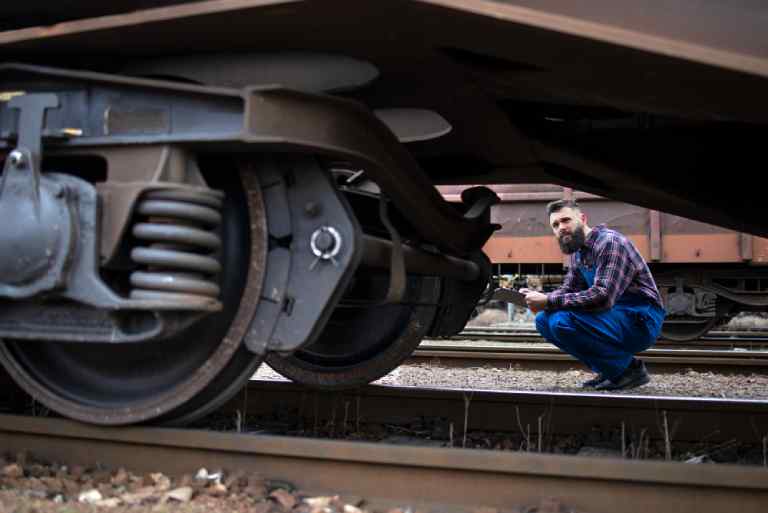
Railway rolling stock operates in one of the most demanding environments imaginable. From constant vibration and dynamic loads to extreme weather conditions and long operational cycles, every component must perform reliably over years of service. Among the most critical yet often overlooked elements are bellows and flexible hoses, which play a vital role in protecting systems, managing movement, and ensuring passenger safety and comfort.
As modern rail networks evolve toward higher speeds, improved efficiency, and lower maintenance costs, the demand for robust, precision-engineered elastomeric components continues to rise. Durable rubber bellows and flexible hoses are no longer just supporting parts; they are essential to the overall reliability of railway vehicles.
The Role of Rubber Bellows in Railway Applications
In railway rolling stock, rubber bellows are primarily used to accommodate movement, seal gaps, and protect sensitive mechanical components from dust, moisture, debris, and temperature fluctuations. They are commonly found in inter-car connections, suspension systems, traction motors, brake systems, and couplings.
These bellows must withstand continuous compression, extension, and lateral movement without cracking or losing elasticity. At the same time, they need to maintain excellent sealing performance under harsh operating conditions. This makes material selection and design accuracy absolutely critical. High-quality rubber compounds, precise tooling, and controlled manufacturing processes ensure that bellows perform consistently throughout their service life.
Flexible Rubber and Silicone Hoses for Rolling Stock Systems
Flexible hoses are equally indispensable in railway vehicles. They are used for air braking systems, cooling circuits, HVAC units, fuel transfer, and fluid handling applications. Unlike rigid pipes, flexible rubber and silicone hoses absorb vibration, reduce noise, and allow for movement between connected components.
Silicone hoses are often preferred for high-temperature and HVAC applications due to their excellent thermal stability and resistance to aging. Rubber hoses, on the other hand, are widely used where abrasion resistance, pressure handling, and cost efficiency are key considerations. In both cases, hoses must meet strict railway standards related to fire resistance, smoke toxicity, and durability.
Why Durability Matters in Railway Environments
Railway rolling stock is expected to operate with minimal downtime. Component failure not only increases maintenance costs but can also compromise safety and service reliability. Bellows and hoses are exposed to oil, grease, ozone, UV radiation, temperature extremes, and mechanical stress daily.
Durable designs help prevent premature failures such as cracking, leakage, or deformation. Reinforcement layers, optimized wall thickness, and application-specific compound formulations significantly enhance product lifespan. For rail operators and OEMs, this translates into lower life-cycle costs and improved operational confidence.
Custom Engineering for Modern Rail Systems
One-size-fits-all solutions rarely work in the railway industry. Each rolling stock design has unique space constraints, movement requirements, and regulatory standards. Custom-engineered bellows and hoses ensure optimal fit, performance, and compliance with international rail specifications.
From convoluted bellows designed for large axial movement to multi-ply reinforced hoses capable of handling high pressure, tailored solutions deliver measurable performance advantages. Advanced testing, including fatigue, pressure, and environmental simulations, further ensures long-term reliability in real-world conditions.
Also Read: The Importance of Rubber Bellows in Industrial Machinery
Compliance, Safety, and Industry Standards
Railway components must comply with stringent national and international standards. Fire performance, smoke density, and toxicity requirements are especially critical for passenger safety. High-quality rubber and silicone products are developed with compliance in mind, using compounds that meet railway norms without compromising flexibility or strength.
Manufacturers who understand these regulatory demands help OEMs and operators streamline approvals and reduce risk during deployment.
Conclusion: Supporting Advanced Railway Equipment with Trusted Solutions
For companies like Shree Rubber Works, delivering durable and application-specific solutions is more than a manufacturing task. It’s a commitment to performance, safety, and long-term value. As an experienced rubber bellows manufacturer, Shree Rubber Works designs and produces high-quality rubber bellows and flexible rubber and silicone hoses tailored for demanding railway rolling stock applications.
If you are looking for reliable, custom-engineered solutions that perform where it matters most, get in touch with Shree Rubber Works to discuss your railway bellows and hose requirements with a team that understands the industry inside out.